
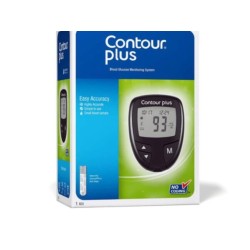
Contour Plus Meter Glucometer — available at DiabetesStore.com.bd
Winter in Bangladesh brings cooler mornings, festive gatherings, and the irresistible smell of pithas and warm dishes. For people living with diabetes, this season can quietly make weight management feel a little harder than usual. The good news? With a few smart, simple habits, you can enjoy the cold months while keeping your weight and blood sugar in a healthy range. No strict diets, no impossible routines — just practical steps that fit real Bangladeshi life.
Why Winter Can Make Weight Management Harder for People with Diabetes
It is easy to assume that weight management is the same effort all year round. But winter brings its own set of challenges — especially for people managing diabetes.
Less movement, more comfort food
When the temperature drops, most of us naturally slow down. We spend more time indoors, skip the morning walk, and reach for warm, heavier foods. In Bangladesh, winter also overlaps with wedding season, Eid gatherings, and family celebrations where rich foods are everywhere. All of this can gradually lead to extra calories and less physical activity — a combination that makes it harder to maintain a healthy weight.
For people with diabetes, extra body weight — especially around the belly — can make it harder for the body to use blood sugar efficiently. This does not mean you need to avoid all celebrations. It just means being a little more mindful during this season.
How cold weather affects appetite and blood sugar
Cold weather can increase your appetite. Your body works a little harder to stay warm, which can make you feel hungrier than usual. At the same time, being less active means your muscles are using less sugar from your blood, which can affect your blood sugar levels. Staying aware of this pattern is the first step to managing it well.
Building a Winter-Friendly Eating Routine
You do not need to give up your favourite winter foods. The goal is to build simple habits around them so your meals stay balanced and your body feels good.
Warm, balanced meals that support steady blood sugar
Bangladesh's winter season is actually a wonderful time for nutritious eating. The markets are full of seasonal vegetables like shalgam (turnip), gajar (carrot), sheem (flat beans), ful kopi (cauliflower), and bangla shorshe (mustard greens). These vegetables are low in calories, high in fibre, and very filling. Here are a few ideas:
- Start the day with a warm, protein-rich breakfast. Think a boiled egg, a small bowl of dal, or a handful of nuts with a cup of unsweetened cha (tea). This helps you feel full longer and prevents energy crashes.
- Add seasonal vegetables to every meal. A big bowl of mixed vegetable curry alongside a moderate amount of rice or roti keeps meals satisfying without loading on calories.
- Choose whole grains when possible. Red rice, brown bread, or atta roti digests more slowly than white rice, helping blood sugar stay steadier after meals.
- Go easy on winter sweets. Pithas, mishti doi, and other winter treats are delicious but often high in sugar and refined flour. Enjoy a small amount and pair them with something high in protein or fibre to slow sugar absorption.
Smart portion habits during winter social gatherings
Weddings, family picnics, and holiday meals are part of Bangladesh's beautiful winter culture. You absolutely can enjoy them without feeling left out or guilty. A few simple habits help:
- Eat a small healthy snack — like a handful of peanuts or a boiled egg — before the event so you are not arriving very hungry.
- Fill half your plate with vegetables and salad first, then add rice or bread, then protein.
- Choose one indulgent dish to enjoy in a small portion rather than sampling everything freely.
- Drink a glass of water between bites to slow down eating — this gives your brain time to signal fullness.
Staying Active When It's Cold Outside
Physical activity is one of the most powerful tools for weight management and blood sugar support. The challenge in winter is simply getting started when the morning feels cold and cosy indoors.
Indoor movement ideas that work in Bangladeshi homes
You do not need a gym or special equipment. Here are some easy ways to stay active inside your home:
- Walk in place or around the house for 15–20 minutes after meals. Even light walking after eating helps the body manage blood sugar better.
- Try simple stretching or yoga. Many free YouTube videos offer short, beginner-friendly routines in Bangla or with easy visuals to follow.
- Do household chores actively. Sweeping, mopping, climbing stairs, and carrying groceries all count as movement. Put on some music and make it enjoyable.
- Use a chair for seated exercises. Leg lifts, seated marching, and arm circles are easy, low-impact, and great for people with joint discomfort.
Making the most of winter mornings
Winter mornings in Bangladesh can be misty and cool, but they are also peaceful and beautiful. If you can manage a short 20–30 minute morning walk — even two or three times a week — it makes a real difference. Wear warm layers, choose a safe and familiar route, and consider walking with a friend or family member to stay motivated. Morning sunlight also helps your body's natural rhythms and can improve your mood and energy for the rest of the day.
Tracking Your Progress: Why Monitoring Matters More in Winter
When seasons change, your body's response to food and activity can shift too. This is why regular monitoring becomes even more valuable during winter months. Checking your blood sugar at consistent times — before meals, after meals, and before bed — helps you spot patterns you might not notice otherwise.
For example, you might notice your blood sugar runs slightly higher on days when you are less active, or that a particular winter dish affects your readings more than expected. These insights let you make small adjustments rather than big ones later.
A reliable glucometer and a fresh supply of glucose test strips are everyday essentials during this season. Keeping your testing kit in an easy-to-reach spot at home makes it more likely you will use it consistently.
Beyond blood sugar, it can also help to track your weight once a week — at the same time of day, in similar clothing. Weekly tracking gives you a clearer picture than daily fluctuations, which can be misleading. Some people find keeping a simple paper diary or a notes app useful for recording meals, activity, and readings together.
Small Lifestyle Habits That Add Up
Big changes are hard to sustain. Small, consistent habits are what truly move the needle over a whole season. Here are a few worth building into your winter routine:
- Sleep well. Poor sleep is closely linked to increased appetite and difficulty managing weight. Aim for 7–8 hours of quality sleep each night. Keep your bedroom warm enough to sleep comfortably without too many distractions.
- Stay warm but stay moving. Wearing diabetic-friendly socks and warm layers means you can step outside for short walks without discomfort, keeping circulation healthy and energy up.
- Manage stress actively. Winter gatherings can bring family stress or financial pressure. Stress hormones can affect both appetite and blood sugar. Simple practices like deep breathing, prayer, or even a short phone call with a supportive friend can make a real difference.
- Stay hydrated. People often drink less water in cold weather because they do not feel as thirsty. But hydration remains important for metabolism and overall wellness. Warm water, herbal teas, and light soups all count.
- Be patient with yourself. Weight management is not about perfection. Some weeks will be harder than others. The important thing is to keep returning to your healthy habits — not giving up after one difficult day.
Remember, every small choice — an extra serving of vegetables, a 10-minute walk, one fewer sweet — is a step in the right direction. Over a season, those small choices really do add up.
Frequently Asked Questions
Does cold weather cause weight gain in people with diabetes?
Cold weather itself does not directly cause weight gain, but it can lead to behaviours that do — like being less active and eating more comfort foods. Being aware of these seasonal patterns helps you plan ahead and stay on track.
How often should I check my blood sugar during winter?
Your doctor or pharmacist can guide you on the right schedule for your situation. In general, checking at key times — before meals and after — helps you understand how winter foods and reduced activity affect your blood sugar. Talk to your healthcare provider about the schedule that suits you best.
Can I eat rice and still manage my weight this winter?
Yes. Rice is a staple in Bangladesh and does not need to be completely avoided. The key is portion size and balance — pairing a moderate amount of rice with plenty of vegetables, protein (like dal, fish, or egg), and healthy fats helps slow digestion and reduces blood sugar spikes.
What is a good winter snack for someone with diabetes?
Good options include a small handful of mixed nuts, a boiled egg, plain yoghurt, roasted chickpeas, or sliced cucumber with a pinch of salt. These snacks provide protein and fibre without a large sugar load. Always check with your dietitian if you are unsure what works best for you.
Is walking enough exercise in winter for weight management?
Walking is a wonderful, low-impact form of exercise that supports both weight management and blood sugar balance. Even a 20–30 minute daily walk has well-recognised health benefits. If walking is difficult due to joint issues or the cold, indoor options like seated exercises or household activity work well too.
Disclaimer: This article is for general information purposes only and does not constitute medical advice. Every person's health situation is different. Please consult your doctor, diabetes educator, or pharmacist before making changes to your diet, exercise routine, or medication.
]]>